

Downtime, equipment failures, and unexpected maintenance can lead to significant financial losses and disrupt manufacturing production schedules. Traditional maintenance strategies, while effective to a certain extent, often fall short in addressing the complexities of modern manufacturing environments.
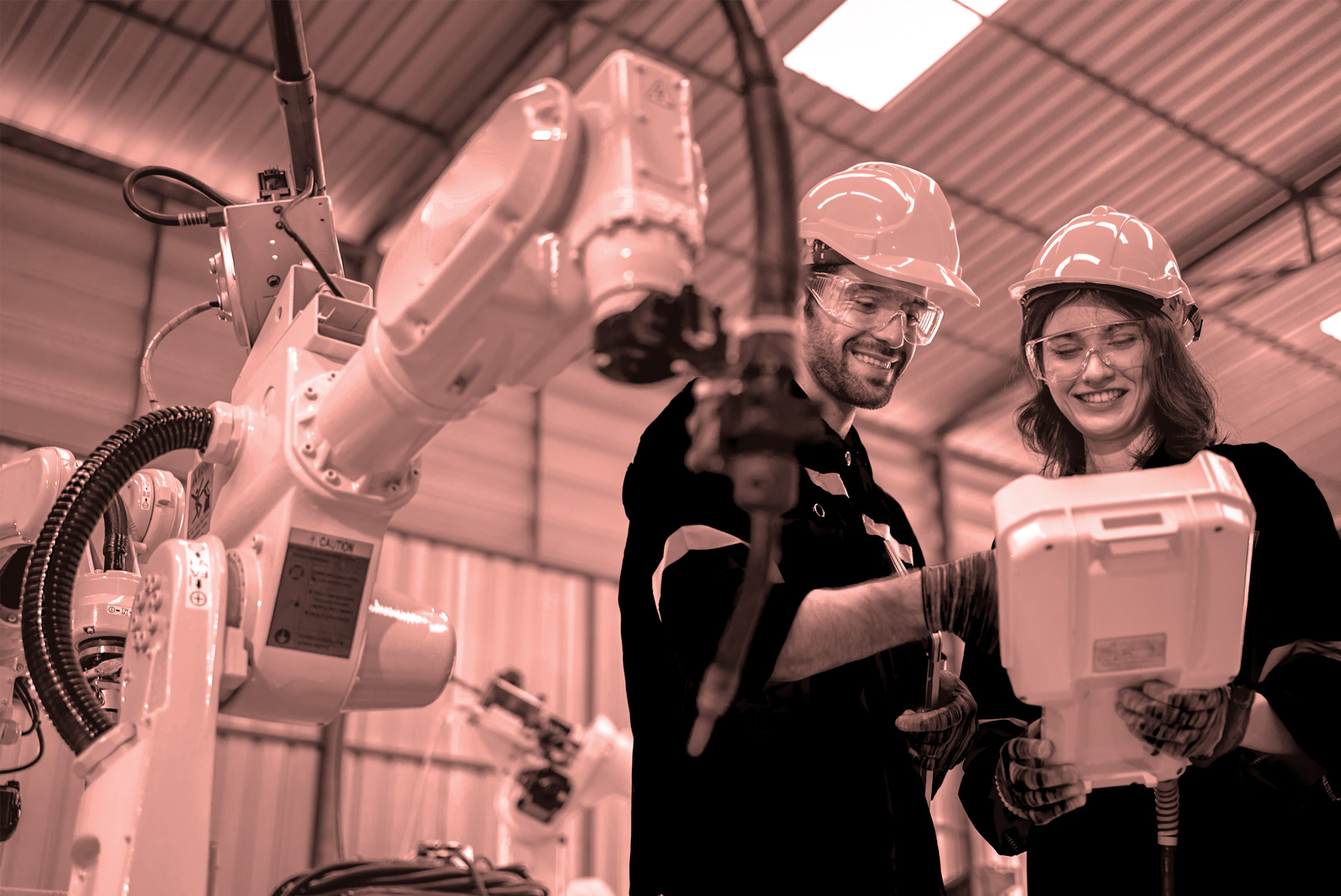
AI-driven predictive maintenance is transforming the manufacturing landscape, helping businesses stay ahead of potential failures and streamline operations. Solutions like Avantune’s Powua are leading the charge, enabling manufacturers to minimize downtime, reduce costs, and boost overall productivity. By embracing this innovative approach, companies can ensure their operations remain efficient and competitive in today’s rapidly evolving industry.
Learn everything you need to know about AI predictive maintenance and explore how solutions like Avantune’s Powua are transforming the manufacturing industry.
What is AI Predictive Maintenance?
AI predictive maintenance is an advanced maintenance strategy that uses artificial intelligence, machine learning, and data analytics to predict when equipment is likely to fail. By analyzing historical data, real-time sensor data, and other relevant information, AI algorithms can identify patterns and anomalies that indicate potential equipment failures. This allows manufacturers to perform maintenance activities proactively, reducing the likelihood of unexpected breakdowns and extending the lifespan of their machinery. This results in higher-quality products, fewer recalls, and improved customer satisfaction—all key factors in staying competitive in the market.
By preventing unexpected breakdowns, manufacturers can maintain consistent output and adhere to strict quality standards. This not only minimizes costly rework and waste but also boosts customer confidence in the brand. With fewer defects and higher reliability, companies can differentiate themselves in the market, positioning themselves as leaders in delivering superior products, strengthening customer loyalty, and gaining a competitive edge.
Unlike traditional maintenance approaches, which are often reactive or based on fixed schedules, AI predictive maintenance is data-driven and dynamic. It continuously learns and adapts to new data, improving its predictive accuracy over time. This makes it an invaluable tool for manufacturers looking to enhance their operational efficiency and reduce maintenance costs.
Discover Powua AI
Reactive Vs. Preventive Vs. Predictive Approaches
In manufacturing, there’s three primary maintenance strategies: reactive, preventative, and predictive. The approach an organization adopts largely depends on their agility and technology assets.
Reactive Maintenance
Reactive maintenance, also known as run-to-failure maintenance, is the most basic form of maintenance strategy. Reactive maintenance addresses the problem after it has already caused damage. In this approach, maintenance activities are performed only after a piece of equipment has failed. While this method may seem cost-effective in the short term, it often leads to significant downtime, costly repairs, and potential safety hazards.
Preventive Maintenance
Preventive maintenance involves performing regular, scheduled maintenance activities to prevent equipment failures. This approach is based on time or usage intervals, such as changing the oil in a machine every 1,000 hours of operation.
While preventive maintenance is more effective than reactive maintenance in reducing the likelihood of unexpected failures, it has its limitations. Maintenance activities are often performed too early or too late, leading to either unnecessary maintenance costs or unexpected breakdowns. Additionally, preventive maintenance does not take into account the actual condition of the equipment, which can vary based on usage, environmental factors, and other variables.
Predictive Maintenance
Predictive maintenance, on the other hand, is an agile approach that uses data and analytics to predict when maintenance is needed. By continuously monitoring the condition of equipment and analyzing data from sensors, predictive maintenance can identify early signs of wear and tear, allowing maintenance to be performed just in time to prevent a failure.
This approach minimizes downtime, reduces maintenance costs, and extends the lifespan of equipment. Powered by AI, predictive maintenance is like having a weather forecast for your machinery—it allows you to prepare for potential issues before they occur.
How Does Predictive Maintenance Work?
Predictive maintenance relies on a combination of technologies, including IoT (Internet of Things) sensors, AI, data analytics, and machine learning algorithms. Here’s how it works:
- Data Collection: IoT sensors are installed on equipment to collect real-time data on various parameters, such as temperature, vibration, pressure, and humidity. This data is then transmitted to a central system for analysis.
- Data Analysis: Advanced data analytics and machine learning algorithms analyze the collected data to identify patterns and anomalies. These algorithms can detect subtle changes in equipment behavior that may indicate an impending failure.
- Predictive Insights: Based on the analysis, the system generates predictive insights, such as the likelihood of a failure occurring within a specific timeframe. These insights are presented to maintenance teams through dashboards or alerts.
- Proactive Maintenance: Armed with this information, maintenance teams can schedule maintenance activities proactively, addressing potential issues before they lead to equipment failure. This not only prevents downtime but also optimizes the use of maintenance resources.
Benefits of AI-Powered Predictive Maintenance
AI-powered predictive maintenance offers numerous benefits to manufacturers, including:
- Reduced Downtime: By predicting equipment failures before they occur, predictive maintenance minimizes unplanned downtime, ensuring that production schedules are not disrupted.
- Cost Savings: Predictive maintenance reduces the need for unnecessary preventive maintenance and avoids the high costs associated with reactive maintenance, such as emergency repairs and replacement parts.
- Extended Equipment Lifespan: By addressing issues early and maintaining equipment in optimal condition, predictive maintenance extends the lifespan of machinery, reducing the need for costly replacements.
- Improved Safety: Predictive maintenance helps identify potential safety hazards before they become critical, reducing the risk of accidents and ensuring a safer working environment.
- Enhanced Operational Efficiency: With predictive maintenance, manufacturers can optimize their maintenance schedules, ensuring that resources are used efficiently and production processes run smoothly.
- Data-Driven Decision Making: Predictive maintenance provides valuable insights into equipment performance, enabling manufacturers to make data-driven decisions and continuously improve their operations.
Discover Predictive Maintenance
Predictive Maintenance with Powua
In the realm of AI-powered predictive maintenance, Avantune’s Powua solution stands out as a game-changer for manufacturers. Powua is an advanced orchestration platform that leverages AI, machine learning, and IoT technologies to deliver real-time insights into equipment health and performance.
Key Features of Powua
Powua consists of two modules: Powua AI and Powua Core. These solutions work together to deliver industry-leading technology assets for organizations. It’s key features include:
- Real-Time Monitoring: Powua continuously monitors equipment using IoT sensors, collecting data on various parameters such as temperature, vibration, and pressure. This real-time data is transmitted to the Powua platform for analysis.
- Advanced Analytics:Powua’s AI-powered analytics engine processes the collected data to identify patterns and anomalies. The platform uses machine learning algorithms to predict potential equipment failures with high accuracy.
- Predictive Alerts: Powua generates predictive alerts that notify maintenance teams of potential issues before they lead to equipment failure. These alerts are delivered through intuitive dashboards, mobile apps, or email notifications.
- Maintenance Optimization: Powua helps manufacturers optimize their maintenance schedules by providing actionable insights into when and where maintenance is needed. This ensures that maintenance resources are used efficiently and effectively.
-
Integration with Existing Systems: Powua seamlessly integrates with existing maintenance management systems and enterprise resource planning (ERP) systems, ensuring a smooth transition to predictive maintenance.
- Scalability: Powua is designed to scale with the needs of manufacturers, making it suitable for businesses of all sizes. Whether you’re a small manufacturer or a large enterprise, Powua can be tailored to meet your specific requirements.
Book a Free Demo
Benefits of Powua for Manufacturers
Powua is the perfect solution for manufacturers looking to become more agile and cost-effective in 2025.
- Maximized Uptime: Powua’s predictive capabilities ensure that equipment failures are minimized, maximizing uptime and keeping production schedules on track.
- Cost Efficiency: By reducing the need for unnecessary maintenance and avoiding costly emergency repairs,Powua helps manufacturers save on maintenance costs.
- Enhanced Productivity: With Powua, maintenance teams can focus on proactive maintenance activities, improving overall productivity and operational efficiency.
- Improved Equipment Reliability: Powua’s continuous monitoring and predictive insights ensure that equipment is maintained in optimal condition, enhancing reliability and performance.
- Data-Driven Insights: Powua provides manufacturers with valuable data-driven insights into equipment performance, enabling them to make informed decisions and continuously improve their operations.
AI-powered predictive maintenance is revolutionizing the manufacturing industry by enabling manufacturers to predict equipment failures before they occur, minimizing downtime, and optimizing operational efficiency. Unlike traditional maintenance strategies, which are often reactive or based on fixed schedules, predictive maintenance is dynamic, data-driven, and continuously adaptive. Solutions like Avantune’s Powua are at the forefront of this transformation, offering manufacturers a powerful tool to enhance their maintenance practices and achieve greater operational success.
As the manufacturing industry continues to evolve, the adoption of AI-powered predictive maintenance will become increasingly essential for staying competitive in a rapidly changing landscape. By embracing this innovative approach, manufacturers can not only reduce costs and improve efficiency but also ensure the long-term reliability and performance of their equipment. The future of manufacturing is here, and it’s powered by AI.
